
- Free US shipping on $60+
- Most orders ship the same business day
- 30-day returns
- Save 5% on 2+ bottles

Fish Antibiotics
Fish Antibiotics

Fish Antibiotics

Fish Antibiotics


Fish Antibiotics

Fish Antibiotics

Aquarium antibiotics are capsules and tablets labeled for ornamental aquarium fish, built around the same active ingredients used across veterinary medicine — amoxicillin, cephalexin, doxycycline, metronidazole and others — but made and labeled for ornamental fish rather than animals raised for food. This collection brings together the full aquatic range stocked at Fish Mox Supply, grouped so you can shop by the ingredient on the label instead of guessing from a nickname.
The range covers amoxicillin on its own and with clavulanate, cephalexin, penicillin, ciprofloxacin, levofloxacin, doxycycline, minocycline, metronidazole and clindamycin, plus the SMZ/TMP combination. Two antifungals — fluconazole and ketoconazole — sit here too, because the problems they answer are often mistaken for bacterial ones.
Most keepers arrive looking for a familiar nickname rather than a chemical name. They search for Fish Mox, Fish Flex or fish doxycycline, or simply for fish tank antibiotics they can keep on the shelf before trouble starts. So every product below lists both the nickname keepers know and the ingredient and strength printed on the label, which makes it easier to match what you remember to what you actually need. If you already know the ingredient you want, jump straight to it. If you are still deciding, the comparison table and the selection guide further down are built for exactly that.
Keepers shopping for aquarium antibiotics usually want one of two things: a broad option kept ready for when a fish first looks wrong, or a specific ingredient an experienced aquarist or a vet has already suggested. This collection covers both, and everything ships from our United States warehouse rather than an overseas seller.
The Short Version
These are capsules and tablets labeled for ornamental aquarium fish, not for food fish.
You pick by the likely problem and the active ingredient, not by the brand name. The comparison table below maps both.
Treat in a separate hospital tank, pull activated carbon, and finish the full course.
Fix water quality first. Ammonia and nitrite mimic illness and undo anything you dose on top.
Antibiotics do nothing for ich, flukes, worms or true fungus. Two antifungals are stocked here for the latter.
On this page: Compare by Ingredient · Looking for Maracyn 2? · Why Fish Need Antibiotics · How to Choose · Buying and Shipping · Responsible Use · Care Guides · FAQ
Important notice: Every product in this collection is for ornamental aquarium fish only. None of it is for fish raised for food.
Last reviewed: October 2026
Compare Aquarium Antibiotics by Ingredient
The fastest way to narrow the field is by active ingredient and form. The table lists the range side by side with the nickname hobbyists use, the strengths and counts stocked, and the kind of situation each one tends to get picked for. Tap any product to see the full label directions on its own page.
Active ingredient
Known as
Form & sizes
Often chosen for
Product
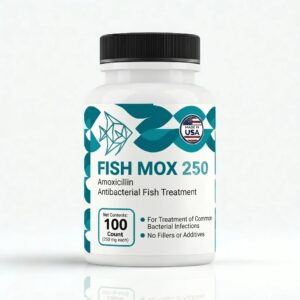
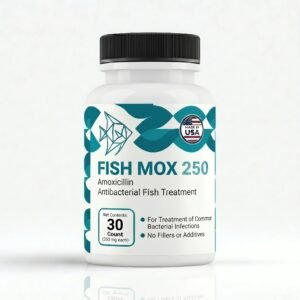
Amoxicillin 250 / 500 mg
Fish Mox
Capsules, 30 & 100 count
A common starting point for suspected bacterial trouble, leans gram-positive
Fish Mox
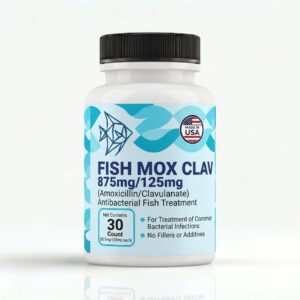
Amoxicillin + clavulanate 875/125 mg
Fish Mox Clav
Tablets, 30 count
Amoxicillin with clavulanate added, for organisms that break down plain amoxicillin
Fish Mox Clavulanate
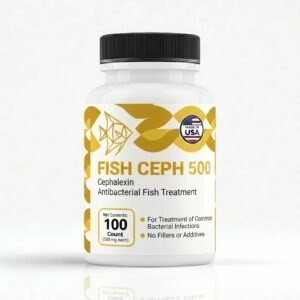
Cephalexin 250 / 500 mg
Fish Flex
Capsules, 100 count
Often reached for with fin rot, ulcers and skin problems
Fish Flex
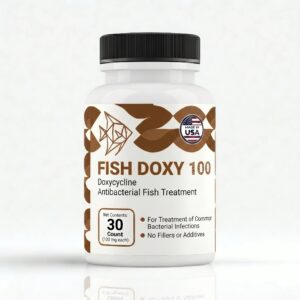
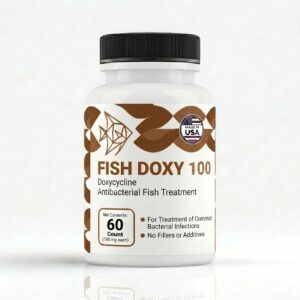
Doxycycline 100 mg
Fish Doxy
Tablets 30 / 60 / 100 count, capsules 100 count
The usual pick when keepers search fish doxycycline; broad tetracycline coverage
Fish Doxy
Minocycline 100 mg
Fish Mino
Capsules, 30 count
The tetracycline keepers look for when they search Maracyn 2
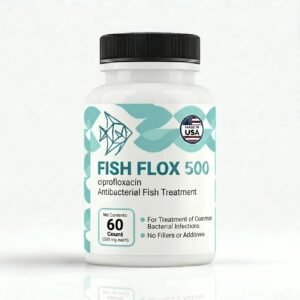
Ciprofloxacin 500 mg
Fish Flox
Tablets, 30 & 60 count
Considered for gram-negative problems such as columnaris and septicemia
Fish Flox
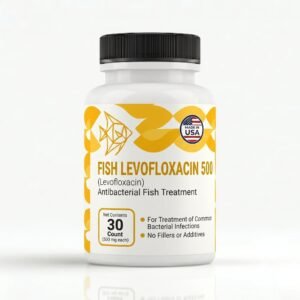
Levofloxacin 500 mg
Fish Levo
Tablets, 30 count
A second fluoroquinolone option alongside ciprofloxacin
Fish Levofloxacin
Metronidazole 250 / 500 mg
Fish Zole
Tablets, 100 count
Metronidazole for fish — anaerobes and certain internal protozoa, not ordinary bacteria
Fish Zole
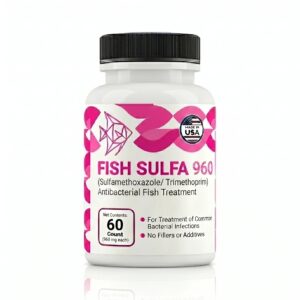
SMZ/TMP 960 mg
Fish Sulfa
Tablets, 30 & 60 count
A combination with the broadest coverage in this collection
Fish Sulfa
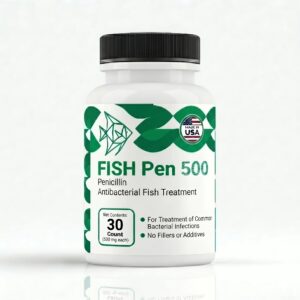
Penicillin 500 mg
Fish Pen
Tablets, 30 & 60 count
An option for gram-positive problems
Fish Pen
Clindamycin 150 mg
Fish Clin
Capsules, 100 count
Used by some keepers for gram-positive scenarios
Fish Clin
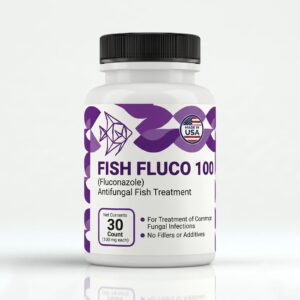
Fluconazole 100 mg
Fish Fluconazole
Tablets, 30 count
Antifungal, not an antibiotic — for true fungal problems
Fish Fluconazole
Ketoconazole 200 mg
Fish Ketoconazole
Tablets, 30 count
Antifungal, not an antibiotic — a second antifungal option
Fish Ketoconazole
Tip: the right choice depends on the likely cause, not on price or how often a name comes up in a forum. If you cannot tell what you are looking at, read how to tell fungus from bacterial growth before you dose anything.
Looking for Maracyn 2?
Maracyn 2 is a pre-measured aquarium treatment sold by another company, and keepers searching for it are almost always looking for one thing: minocycline, the tetracycline-class ingredient it is built around. If that is what was recommended to you, the equivalent ingredient here is Fish Minocycline 100 mg.
The honest difference is format, not chemistry. A branded sachet is measured for a stated tank volume, which is convenient and leaves you no decisions to make. A 100 mg capsule is measured by you, against your own tank volume, which is more flexible and usually works out cheaper per course — but it only helps if you dose it correctly. If you go that route, read aquarium antibiotic dosage per gallon first.
Two things worth knowing before you substitute one for the other. Minocycline and doxycycline are both tetracyclines but behave differently in water, so they are not interchangeable dose for dose. And if the original recommendation was for the first Maracyn rather than Maracyn 2, that is a different ingredient again — erythromycin — which is not stocked here at all, so substituting a tetracycline for it is not a like-for-like swap. When in doubt, confirm the ingredient rather than the brand.
Why Aquarium Fish Sometimes Need Antibiotics
Fish get sick for ordinary reasons, and most of them trace back to a handful of triggers:
Water quality slips, so ammonia or nitrite climbs.
A new arrival brings something in without quarantine.
Temperature swings and stresses the fish.
A fish is run down enough that an opportunistic bacterium takes hold.
Overstocking or an overloaded filter keeps the whole tank under pressure.
When the signs point to a bacterial cause, an antibiotic can be part of the response. It works best next to the basics: stable water, good food and a clean tank. On its own, with bad water underneath it, it rarely fixes much.
Match the signs to a likely cause
Frayed or rotting fins, open sores, red streaking in the body or fins, cloudy or protruding eyes, and listless behaviour can all point to bacteria when water quality checks out. None of these is proof on its own. Our guides on fin rot, popeye, dropsy, columnaris and septicemia walk through each one.
Rule out water quality first
Ammonia, nitrite and an unstable temperature mimic illness and undo any treatment you layer on top. Test the water and correct it before you reach for a product. Often that step alone settles a fish that looked sick.
Protect the display tank
Treating in a hospital or quarantine tank keeps the dose off your plants, invertebrates and the bacteria your filter depends on. It also lets you watch one fish closely instead of dosing a whole community. Here is how to set one up.
Know when it is not bacterial
Ich, flukes and worms are parasites. True fungus is something else again. When to use antibiotics covers how to tell, and reaching for the wrong category first delays the care that would actually help.
How to Choose the Right Aquarium Antibiotic
There is no single best product, only the one that fits the situation in front of you. Work through it in order rather than starting from the name you have heard.
Identify the likely problem
Fin and tail rot, skin ulcers and red streaking are external. Swelling, bloating and sudden listlessness can be internal. Bacteria are not the only possible cause, so if the picture is unclear, get a second opinion before dosing. Best antibiotic for a sick aquarium fish works through the common cases.
Consider the ingredient and its spectrum
Amoxicillin and penicillin lean gram-positive. Ciprofloxacin and levofloxacin reach more gram-negative problems. Doxycycline and minocycline are tetracyclines with broad coverage. SMZ/TMP is the broadest combination here. Metronidazole covers anaerobes and some protozoa rather than ordinary bacteria. The broad spectrum guide goes deeper.
Pick a form you can dose cleanly
Capsules pull apart and disperse quickly in tank water, which suits dosing by volume. Tablets work the same way once crushed and dissolved. Choose whatever lets you measure and spread the dose evenly in your treatment tank, and see how to dose correctly.
Match the count to the course, not the price
A 30-count pack covers a short course for one tank. A 100-count is for repeat use or a larger system, and only saves money if you use it before it expires. Fish Doxy and Fish Mox both come in several counts for this reason.
Confirm freshwater or saltwater use
These work against certain bacteria in both freshwater and saltwater systems. The bigger question is the tank you treat in, since a reef or planted display with invertebrates is the wrong place for any of them.
Buying Aquarium Antibiotics Online and Shipping
You can order everything here online and keep a bottle ready before a problem starts, rather than scrambling once a fish looks unwell. For a severe, spreading or repeat infection, a professional diagnosis is still the safer route.
Where the stock ships from
Orders leave our warehouse in San Bernardino, California, so domestic delivery is short and you are not waiting on an overseas shipment. Bottles arrive with clearly printed strengths and current expiration dates.
Processing and delivery
Orders are prepared within 1 to 2 business days, Monday to Friday, excluding public holidays. Once dispatched, delivery typically takes a further 2 to 5 business days depending on your address.
Shipping rates
US orders of $60 or more ship free. Under $60, flat-rate options apply: Economy at $4.79, Express at $9.80 and Priority at $19.99. You choose at checkout and the final cost is confirmed there. Full terms are in our shipping policy.
Returns
Returns are accepted within 30 days under our store guidelines, and items returned after that window may be eligible for a partial refund at our discretion. If an order arrives damaged or defective, contact us within 7 days of delivery. Read the refund policy first.
How to Use Aquarium Antibiotics Responsibly
The label on each product is the instruction that matters, and it takes priority over anything general written here. A few habits hold true across the whole range.
Treat in a hospital tank
A separate hospital or quarantine tank is the safest place to dose. It keeps the treatment away from sensitive tankmates and the biofilter, limits spread, and lets you control water quality around the one fish you are treating.
Pull carbon and switch off UV
Activated carbon adsorbs many aquarium treatments, and UV sterilizers can reduce how well certain products work. Remove carbon and other chemical media while dosing, then add carbon back afterwards to clear any residue.
Finish the course and avoid mixing
Stopping early because the fish looks better invites the problem back, and it is one of the ways resistance builds — see antibiotic resistance in aquarium fish. Finish the full course, and do not stack two treatments unless a professional directs it. Can you overdose? covers the other direction.
Watch the water through treatment
Keep an eye on ammonia and nitrite, hold the temperature steady and keep aeration strong. If parameters drift, support the tank and reassess rather than pushing through. Signs antibiotics are working explains what improvement actually looks like.
Reminder: antibiotics do nothing for parasitic problems such as ich, flukes or worms. If the cause is not bacterial, dosing one will not help and may stress the fish further.
Why Choose Fish Mox Supply
One place for the whole range
Compare ingredients, strengths and counts across the full aquatic line in one collection instead of hunting product by product across different sellers.
Clear strengths and fresh dates
Stock turns over and ships with current expiration dates and clearly marked 250 mg, 500 mg or other strengths, so you can match a dose without guesswork.
Ships from the United States
Everything leaves our own California warehouse within 1 to 2 business days, rather than a third-party drop shipper or an overseas depot.
Guides written for the actual problems
Nearly a hundred care guides covering fin rot, dropsy, popeye, columnaris, septicemia, dosing and quarantine — linked throughout this page and collected on the Fish & Bird Care Blog.
Frequently Asked Questions
What are aquarium antibiotics?
Capsules and tablets built around veterinary antibiotic ingredients and labeled for ornamental aquarium fish. They treat bacterial infections and do nothing for parasitic, viral or fungal problems.
Which fish tank antibiotic should I choose?
It depends on whether the problem looks external or internal and on the likely organism. The comparison table above maps each ingredient to what it is generally reached for, and this guide works through the common cases.
What is fish doxycycline used for?
Doxycycline is a broad tetracycline used for a range of bacterial problems in ornamental fish. It is stocked as 100 mg tablets in 30, 60 and 100 count, plus a 100-count capsule.
What is metronidazole for fish used for?
Metronidazole targets anaerobic organisms and certain internal protozoa rather than the usual bacteria, which is why it is often part of a wider plan rather than a first reach. It is stocked as Fish Zole in 250 mg and 500 mg.
Do you sell Maracyn 2?
No — Maracyn 2 is another company’s product. The ingredient keepers want from it is minocycline, stocked here as Fish Minocycline 100 mg. The section above explains how the two differ.
Can I use these in a saltwater tank?
They work against certain bacteria in both freshwater and saltwater. The real question is the tank you dose in — a reef with invertebrates is the wrong place for any of them.
Should I treat in my display tank or a hospital tank?
A hospital tank, wherever possible. It protects your plants, invertebrates and biofilter, and lets you control conditions around the one fish being treated.
Will these harm the beneficial bacteria in my filter?
They can, which is the main argument for a separate hospital tank. If you must dose a display tank, watch ammonia and nitrite closely throughout.
Do I need to remove carbon or turn off UV?
Yes to carbon — it adsorbs many treatments and will strip the dose. Follow the equipment label for UV. Put carbon back afterwards to clear residue.
How do I dose by tank volume?
Follow the product label against your actual water volume, not the tank’s nominal size. Dosage per gallon walks through the arithmetic.
How long should a course run, and when should I see improvement?
It varies by ingredient and problem. How long to treat and signs it is working cover both, but finish the course even if the fish brightens early.
Can I combine two different treatments?
Not unless someone qualified has told you to. Stacking products makes it impossible to tell what is helping and raises the risk to the fish.
Do these work on fungus, ich or worms?
No. Those are fungal or parasitic. Two antifungals are stocked here for true fungal problems; for ich see the ich guide.
Are these for food fish?
No. Everything in this collection is for ornamental aquarium fish only.
How should I store them?
Cool, dry, out of direct sunlight, sealed in the original container and away from children and other animals. Check the expiration date before dosing.
Browse the Full Aquatic Line
Fish Mox (Amoxicillin) — 250 mg and 500 mg capsules in 30 and 100 count.
Fish Mox Clavulanate — amoxicillin 875 mg with clavulanate 125 mg, 30 tablets.
Fish Flex (Cephalexin) — 250 mg and 500 mg capsules, 100 count.
Fish Doxy (Doxycycline) — 100 mg, tablets in 30/60/100 count and a 100-count capsule.
Fish Minocycline — 100 mg capsules, 30 count; the minocycline option.
Fish Flox (Ciprofloxacin) — 500 mg tablets in 30 and 60 count.
Fish Levofloxacin — 500 mg tablets, 30 count.
Fish Zole (Metronidazole) — 250 mg and 500 mg, 100 count.
Fish Sulfa (SMZ/TMP) — 960 mg tablets in 30 and 60 count.
Fish Pen (Penicillin) — 500 mg tablets in 30 and 60 count.
Fish Clin (Clindamycin) — 150 mg capsules, 100 count.
Fish Fluconazole — 100 mg tablets, 30 count. Antifungal.
Fish Ketoconazole — 200 mg tablets, 30 count. Antifungal.
Keeping birds too? Browse bird antibiotics for the avian powders and oral solutions, or read dosing guides and care advice on the Fish & Bird Care Blog.